The Resurgence of Continental Sleeper Trains
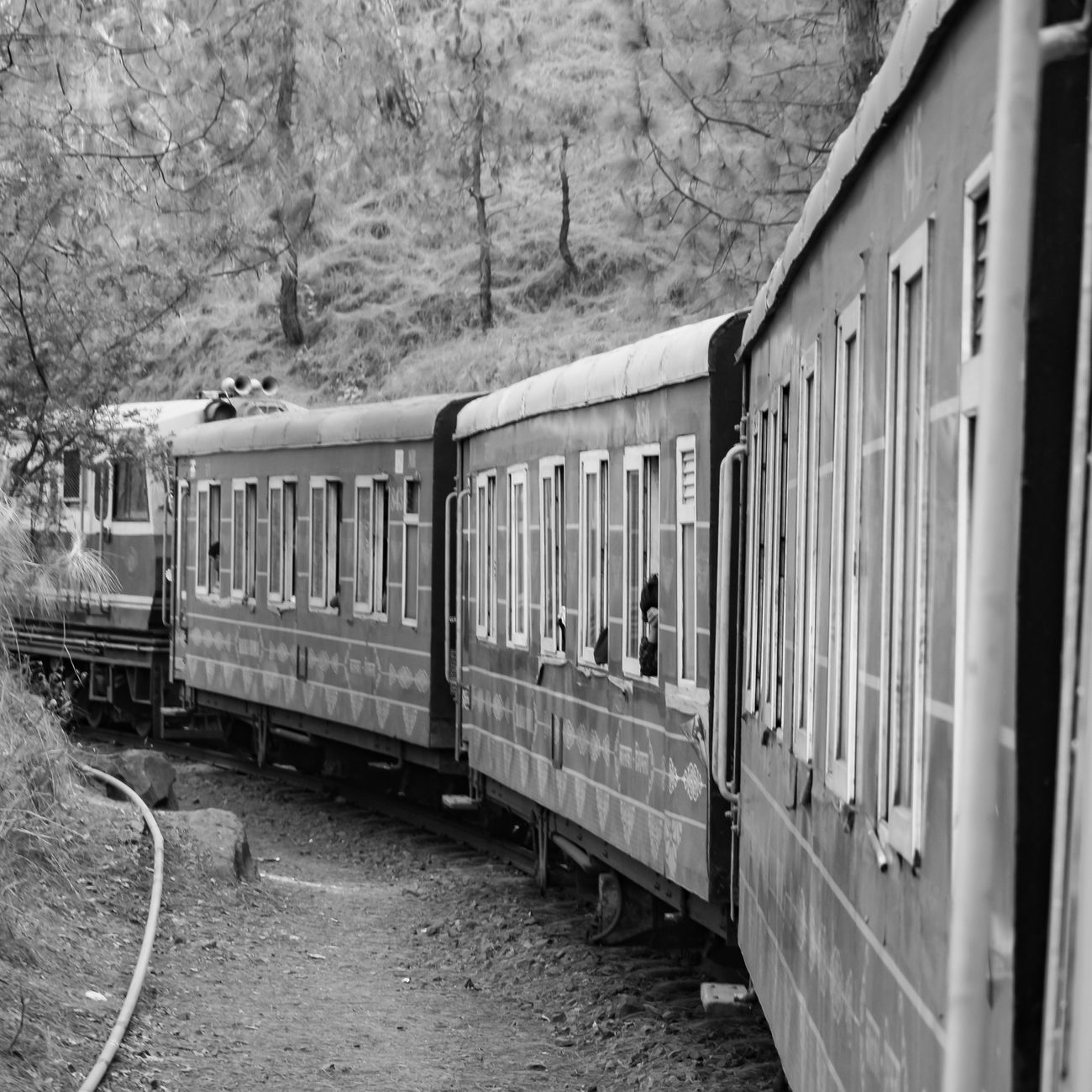
There is an inimitable cadence to falling asleep in Vienna and waking to the golden morning mist hanging over the canals of Venice.
For decades, commercial air transit reduced the geographical canvas of Europe to sterile boarding gates and tarmac wait times. Yet across the continent, a poetic renaissance is unfolding on steel rails. Modern travellers are increasingly rejecting the hurried friction of airports in search of deliberate pacing, turning night sleepers into rolling sanctuaries.
The Architectural Elegance of Rolling Compartments
Today's night services are far removed from the utilitarian bunks of the past century. Contemporary carriage refits emphasize walnut paneling, sound-absorbing wool felts, and bespoke linen mattresses designed in partnership with historic textile houses.
Beyond aesthetics, the appeal rests in psychological transition. To board a sleeper at dusk is to surrender control of the clock. As the train accelerates through quiet rural provinces, one's thoughts gently settle into synchronization with the wheels below.
Editorial Recommendations: Three Iconic Routes
- The Nightjet to La Serenissima: Vienna Central to Venice Santa Lucia, skirting Austrian peaks under starlight.
- The Scandinavian Arctic Express: Stockholm to Narvik, traversing sub-arctic tundra and northern lights.
- The Caledonian Sleeper: London Euston to Fort William, rolling straight into the Scottish Highlands.
As rail technology continues to converge with sustainable eco-hospitality, continental overnight journeys affirm that how one reaches a destination is just as profound as the place itself.